




Nationwide, employers say they can’t find enough qualified workers. At the same time, millions of Americans remain underemployed or locked out of stable career paths.
For a growing number of business leaders and workforce organizations, this disconnect points to a deeper problem: Many hiring systems are still built on outdated assumptions about where talent comes from and what qualifies someone for an opportunity.
From overlooked to in demand
For decades, many employers treated a four-year degree as the default indicator of job readiness. But as industries evolve more rapidly — especially in technology and AI-related fields — more business leaders are questioning whether one pathway to success still makes sense for today’s workforce.
Recognizing this shift, Caitlyn Brazill, president of Per Scholas, and John Lullen, managing executive of marketplace inclusion at TEKsystems, came together to rethink traditional hiring practices.
“There are so many folks who have so much potential,” Lullen said. “They don’t have a four-year degree, but they have the capacity to learn.”
Many employers rely heavily on degree requirements for jobs that may not actually require them. That means a lot of talent is overlooked.
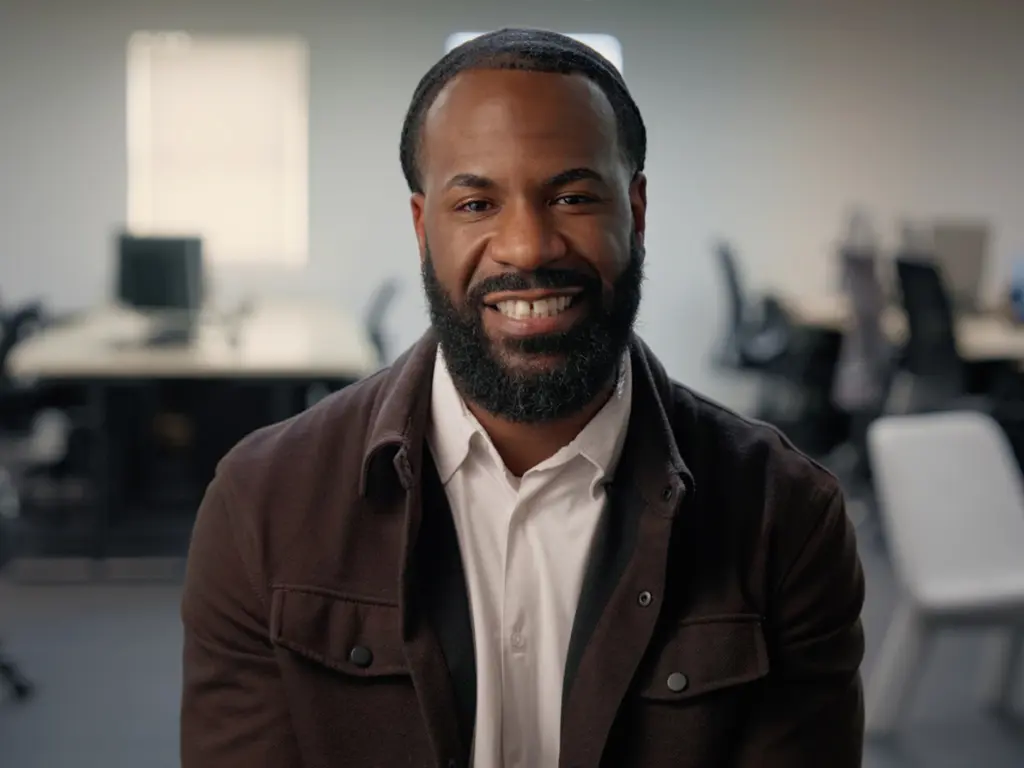
By identifying overlooked talent, training people for in-demand jobs, and connecting them to real opportunities, TEKsystems and Per Scholas have created a workforce pipeline that benefits both workers and employers. Together, they align workforce training with labor market needs, helping people launch solid careers while giving employers access to qualified talent.
Their partnership reflects a broader shift in how companies can think about hiring in order to get the talent they need.
Both organizations are part of Stand Together’s broader future of work community, which brings together employers, educators, and workforce innovators exploring new ways to expand opportunity and rethink traditional hiring practices. TEKsystems serves on the advisory board of Stand Together’s Human Potential Network, while Per Scholas has participated in Stand Together Foundation’s Catalyst program and has long been part of the community’s workforce development efforts.
There are so many folks who have so much potential. They don’t have a four-year degree, but they have the capacity to learn.
John Lullen
Managing executive of marketplace inclusion at TEKsystems
A model to help America find skilled workers
TEKsystems and Per Scholas’ approach could be the innovation needed in modern hiring — not just for IT companies, but across all U.S. industries facing persistent hiring shortages.
“I think one thing that makes it really difficult for employers to understand and assess talent that’s coming in the door is that we have a whole bunch of faulty signals,” Brazill said. “One of the things that I think is a classic faulty signal is degree requirements.”
“There’s a war for talent, but a lot of that is predicated on the school of thought that you need a degree to move into whatever industry or whatever position,” Lullen added.
Stay up to date
Hiring for skills and potential
Employers are beginning to reconsider their assumptions about today’s talent.
“There needs to be a shift from role-based hiring to skills-based hiring and from traditional ways of thinking to nontraditional ways of thinking,” Lullen said.
TEKsystems has thousands of industry-specific experts whose primary responsibility is to understand what’s most important for employers worldwide. Currently, Lullen said, many organizations are investing in AI infrastructure, which creates data center opportunities. But the speed at which data centers are being built has challenged many employers looking to fill roles.
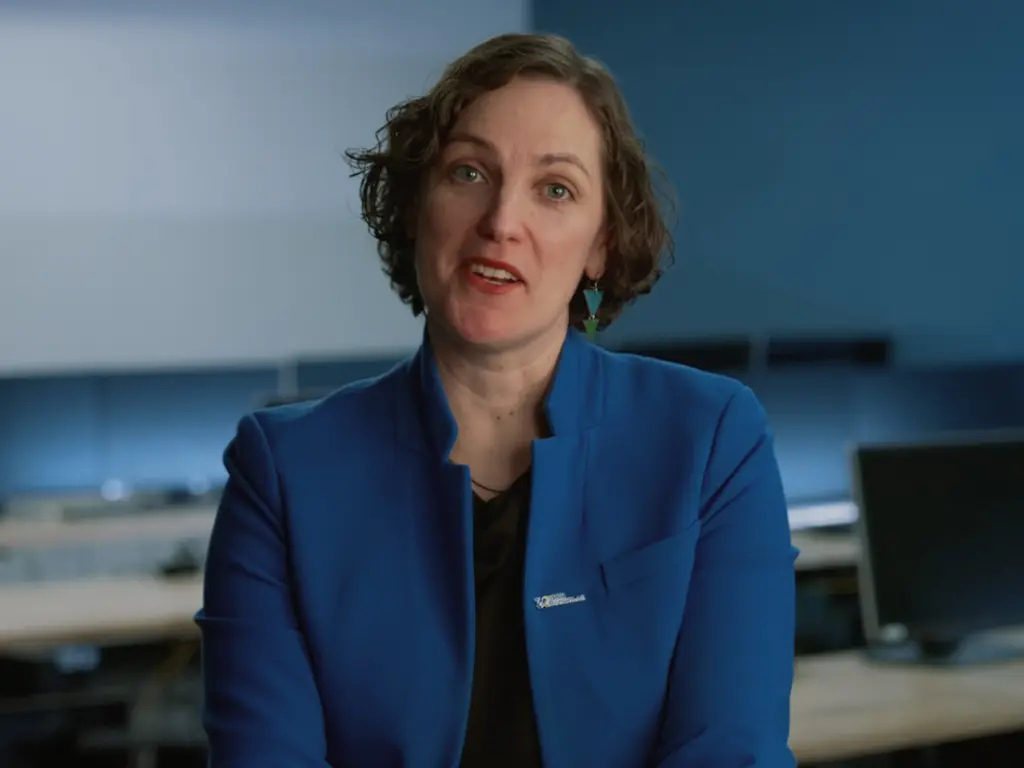
Enter Per Scholas. This organization helps adults launch careers in technology through 3- to 4-month training programs focused on specific career paths. Participants graduate with a certification tied directly to available jobs. Per Scholas’ programs are designed in partnership with employers, helping learners build skills that align directly with open roles and emerging workforce needs.
Ultimately, employers gain access to a pool of talent that’s equipped with the skills needed in the workforce.
85%
of learners typically graduate
from Per Scholas, which helps adults launch careers in technology through training programs focused on specific career paths.
Investing in human potential
At Per Scholas, 85% of learners typically graduate, and 80% of those learners move into employment after graduation. The vast majority of graduates secure opportunities within 90 days of graduation.
TEKsystems’ partnership with Per Scholas has resulted in the hiring of thousands of graduates from Per Scholas, including more than 1,500 new hires for TEKsystems.
The relationship between both organizations is evidence that driven employers have more flexibility in how they identify and develop talent than traditional hiring systems often assume.
“I think there’s an opportunity now where organizations across the globe need to zero in on the importance of investing in human potential,” Lullen said. “In order to do that effectively, we need to understand the power of potential and have a growth mindset.”
Per Scholas is supported by Stand Together Trust, which provides funding and strategic capabilities to innovators, scholars, and social entrepreneurs to develop new and better ways to tackle America’s biggest problems.
Learn more about Stand Together’s efforts to transform the future of work and explore ways you can partner with us.
The key to closing talent gaps is closer than many employers think

How to make work more human

Why skilled workers keep getting filtered out of jobs they qualify for