




Is the modern workplace broken?
Yes, according to workplace sociologist Dr. Tracy Brower. But she also believes it can be repaired by restoring one key element that’s been lost in the pursuit of productivity.
The cost of a broken workplace
Brower, a Stand Together partner, has spent decades studying what makes people thrive and bottom lines improve. What she found is a growing disconnect in today’s workplace.
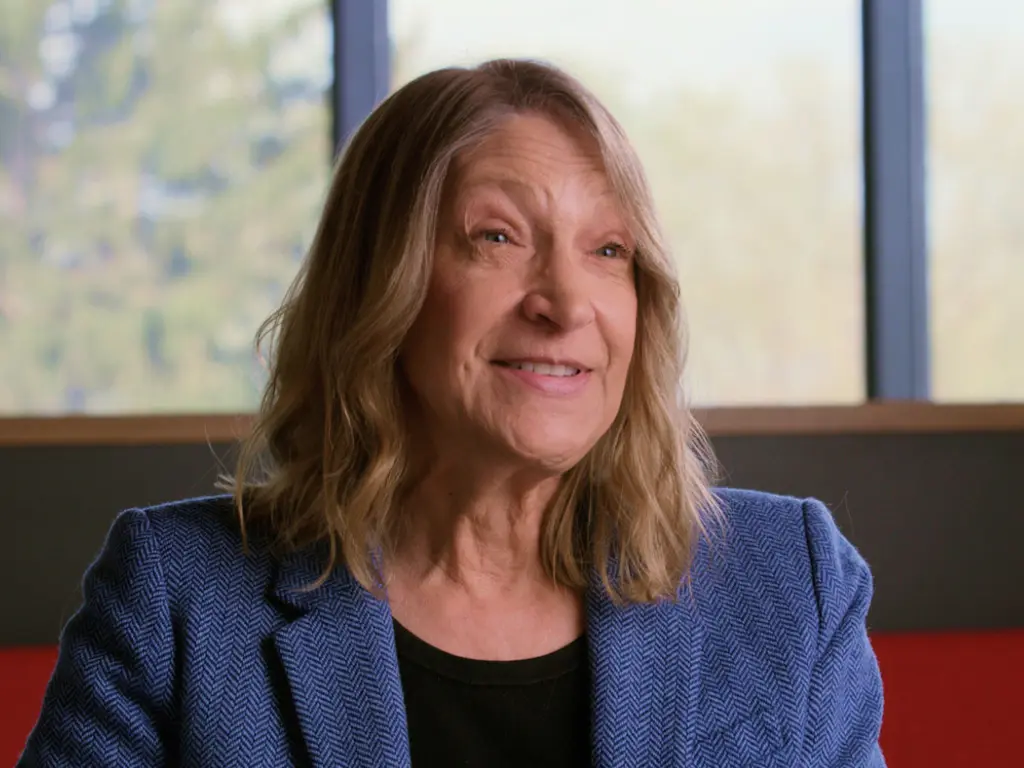
“We optimized work for efficiency, but we optimized out humanity,” Brower said. “People feel more disconnected than ever.”
That disconnect isn’t just affecting employees’ well-being. It also comes with a significant business cost. Organizations lose an estimated $13,300 per disengaged employee per year, Brower said.
Fortunately, Brower believes employers can reverse the trend.
She offers three research-backed steps all employers can take to create happier employees while strengthening their businesses. They’re all based on one key component: connection.
“Purpose is critical and only comes from real human connection,” Brower said. “Connection is not just a feel-good idea. It is a competitive advantage and an economic imperative.”
Purpose is critical and only comes from real human connection. Connection is not just a feel-good idea. It is a competitive advantage and an economic imperative.
Dr. Tracy Brower
Sociologist and vice president at Steelcase
Relationships are more than a workplace perk
According to Brower, relationships and understanding of the bigger purpose are part of the foundation of purpose at work, and it’s built on three things:
1. A feeling that there’s something bigger than ourselves.
2. A sense that we can make a unique contribution to that thing.
3. Relationships with other people.
That longing for connection is so strong, Brower said, that research shows 50% of people would trade a 10% increase in salary for a sense of belonging.
“When people feel a greater sense of purpose, they are more likely to stick with the organization, give discretionary [extra] effort, and have better performance,” she said. “And they are more likely to be more innovative and creative.”
3 ways employers can create connection
Does an understanding of the greater goal come from ordering more pizza or planning escape room parties? Brower said forcing some of those bonding activities in the workplace can backfire. She recommended integrating connection opportunities into the nature of the work with these three strategies:
1. Design work around shared goals.
“We get the best and most powerful bonding when people work together, when they’re rolling up their sleeves together, when they share a common goal,” Brower said.
2. Give visibility to people’s skills.
Make sure people have the chance to demonstrate their skills and talents for others. This provides a sense of how they’re important to the process, which, in turn, creates a sense of belonging.
3. Create spaces for building bonds.
“Think about a work cafe, collaboration zones, small libraries,” Brower said. “It’s about partly the variety, and to be able to look across the space and know that we showed up together to get great work done.”
Stay up to date
The future of work lies in making it more human
Brower’s approach isn’t limited to white-collar offices. The same principles apply to factory floors, behind retail counters, and even in remote workplaces, with a little creativity.
“The future of work isn’t less work,” Brower said. “The future of work is making work more human…work that people want to do, work that people are excited to do.”
The payoff extends far beyond employee morale. Research shows businesses that foster human interaction see greater levels of engagement, job satisfaction, and performance, leading to stronger business outcomes as well.
As Stand Together built the Human Potential Network — a community of employers, innovators, and business leaders sharing proven practices that help people thrive while strengthening business performance — participants recognized a common barrier: Many employers simply weren’t aware of the benefits of purpose-driven workplaces or hadn’t seen enough real-world examples where these approaches succeeded. Brower’s research helps close that gap.
“We have an instinct to fulfill a purpose,” Brower said. “We have a craving to connect. And as employers, we have a really important role to play in creating the meaning that people need in their day-to-day.”
The Stand Together community partners with changemakers who are tackling the root causes of America’s biggest problems.
Learn more about Stand Together’s efforts to transform the future of work and explore ways you can partner with us.
The key to closing talent gaps is closer than many employers think

Why skilled workers keep getting filtered out of jobs they qualify for

To solve the health care worker shortage, start in high school