




A national survey from the advocacy organization 50CAN suggests that conversations about education are shifting away from test scores, accountability systems, funding levels, and district performance toward personalized learning, multiple education pathways, and real-world preparation — priorities many parents believe will better prepare their children to succeed in school, work, and life.
But the country doesn’t need entirely new systems to reflect this shift. Rather, the survey reveals that the key to more families owning their education choices lies in expanding access to existing opportunities.
Offering more than just data points, the 50CAN survey is a path forward for families and policymakers — one that can reshape education into a dynamic marketplace of options centered around students’ needs, interests, and capabilities.
An eye-opening education survey of unprecedented scale
The 50CAN survey differs from most education polling because of its scale. Instead of surveying 1,000 people nationally — as most public opinion polls do — 50CAN surveyed approximately 23,000 parents. Now in its second edition, the survey’s unprecedented scale allows for state-level analysis and the ability to identify trends over time.
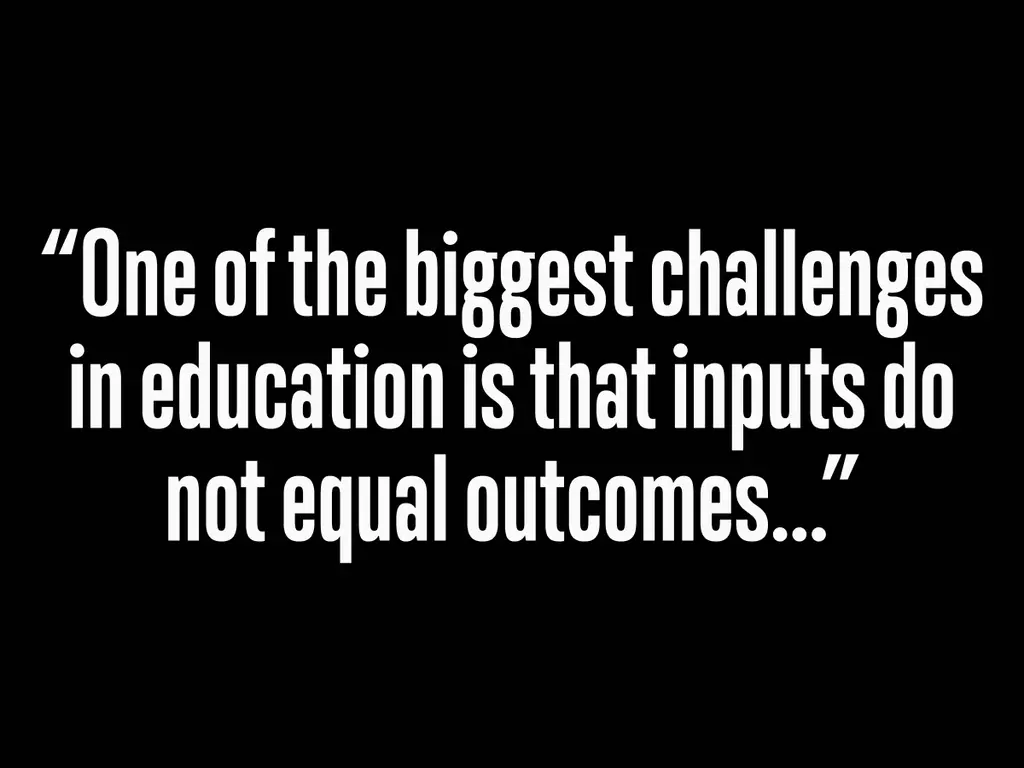
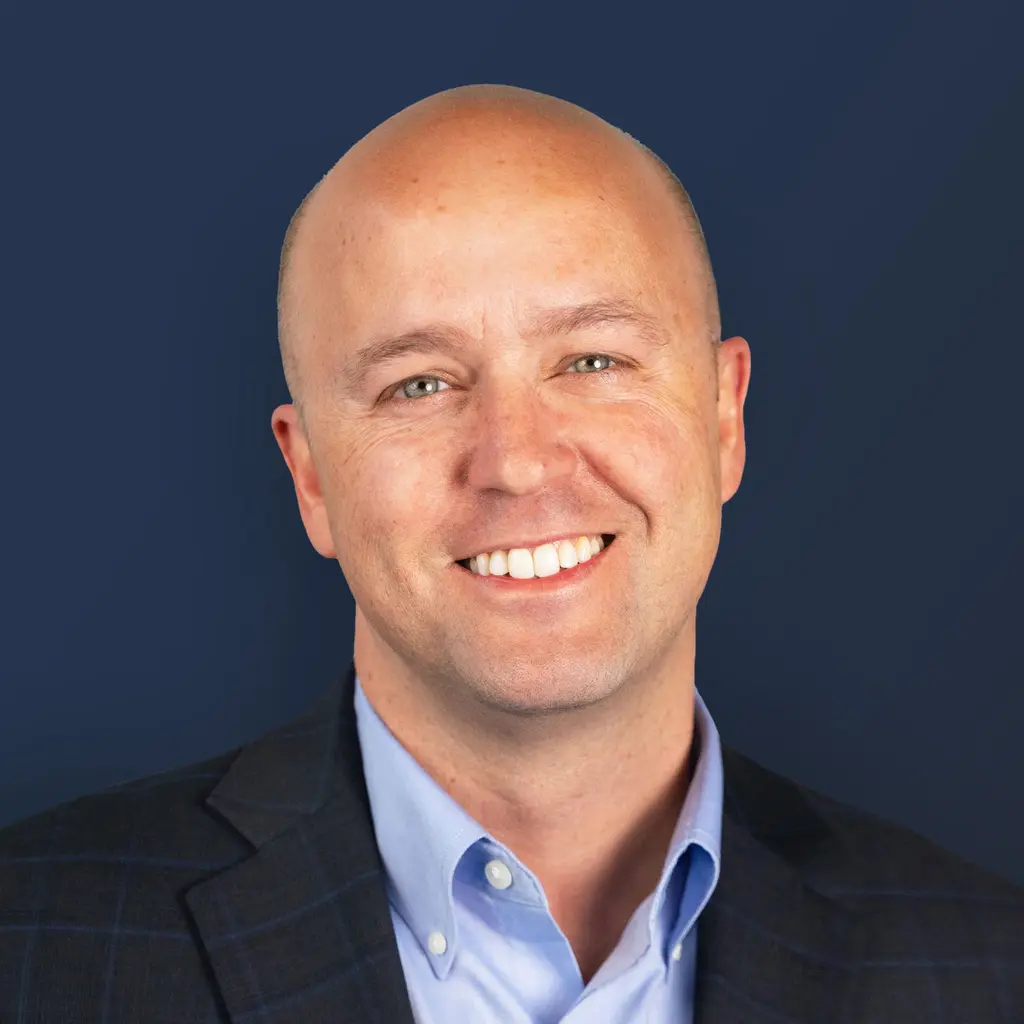
Marc Porter Magee, CEO and founder of 50CAN, envisions policymakers using this data alongside policy changes to evaluate whether reforms are truly reaching families. “One of the biggest challenges in education is that inputs do not equal outcomes,” he said.
Broadly, the survey uncovers a fundamental shift in how Americans think about education. Parents increasingly see learning as a broader ecosystem that includes tutoring, after-school programs, summer learning, life skills, personalized instruction, and multiple educational pathways.
When it comes to what parents value most, three themes emerged:
- Parents want the flexibility to choose learning experiences that best fit their children’s unique needs.
- Families increasingly value personalized learning experiences and life preparation, not just academics.
- Progress is happening, but removing barriers to existing opportunities is the next step.
Parents want to choose from a marketplace of education options
Whether they’re looking for a more flexible schedule, smaller class size, or personalized instruction, parents want the freedom to choose the right education model for their child. The survey reflects this desire, finding broad support for expanded access to multiple education pathways:
- 77% of parents are in favor of open enrollment and education savings accounts (ESAs)
- 69% support school vouchers
- 68% are in favor of charter schools
Encouragingly, the education landscape seems to be responding to families’ needs. In 50CAN’s 2024 survey, 65% of parents said they had meaningful educational choice. By 2026, that number increased to 70%.
Stay up to date
Magee highlights Washington, D.C., as a promising example of what a landscape of robust and accessible educational options can look like. Roughly half of the district’s students attend charter schools, and the city has a myriad of school choice options and significant participation in arts, sports, and summer programming. As a result, the survey found that the district has the highest parent satisfaction in the country.
“That correlation isn’t accidental,” Magee said. “It illustrates what happens when parents have meaningful educational options alongside diverse learning environments.”
Preparing kids to learn — for life
Perhaps one of the survey’s most surprising findings is what parents don’t value most in a school: test scores. Instead, they’re prioritizing personalization, life skills, and readiness for adulthood.
“At its core, a plurality of parents are saying that we want school to prepare our kids for life,” Magee noted.
One of the most encouraging findings is the rise of career-connected learning. More students are participating in dual enrollment, career and technical education, internships, apprenticeships, and credentialing programs, suggesting that families increasingly value education that connects classroom learning to real-world opportunities.
But that doesn’t mean academics aren’t important. Parents expressed a strong interest in STEM, broader educational experiences, and project-based learning — opportunities that go beyond the one-size-fits-all traditional classroom.
For parents who choose nontraditional models, such as microschools, 59% reported high satisfaction with their child’s education, compared with 42% of traditional school parents. Microschool parents are also more likely to express strong confidence in their understanding of their children’s academic performance.
While microschools might not work for every student, this finding highlights what’s possible when parents can choose individualized learning environments for their child.
At its core, a plurality of parents are saying that we want school to prepare our kids for life.
Marc Porter Magee
CEO and founder of 50CAN
Improving opportunity with more information
While increased educational options are a boon to most parents, the survey revealed that a lack of information is a major barrier to accessing those opportunities. “Many parents simply don’t know what options exist,” Magee explained.
Families said they need help navigating educational pathways, financial aid, school options, and career preparation — challenges that can lead to misalignment between what parents want and what they think will actually happen. One finding noted that while nearly half of parents want their child to earn a bachelor’s degree, only 38% expect that outcome.
The reasons behind that gap are varied, and college is not the right fit for every young person. But Magee believes this insight is important: It’s an opportunity for schools, policymakers, and leaders to empower students with the information they need to succeed. In Hawaii, for example, all students are encouraged to fill out the Free Application for Federal Student Aid (FAFSA) to quickly discover if they’re eligible for federal grants, work-study funds, or scholarships — rather than assuming college is unaffordable.
“Sometimes improving opportunity is less about creating new systems and more about helping families understand the opportunities already available,” Magee said.
The future is here
Too often, education debates focus on systems and institutions. But the 50CAN research shifts the conversation toward families’ lived experience.
More parents today say they have meaningful educational choices than they did just two years ago. Parent satisfaction is improving, and families are increasingly finding learning environments that reflect their children’s unique needs and aspirations.
For Magee, the survey is evidence that meaningful progress is already underway. The challenge now isn’t to reinvent education, but to expand access to opportunities that already exist.
Quoting the science-fiction author William Gibson, Magee said, “The future is already here — it’s just not evenly distributed.”
50CAN is supported by Stand Together Trust, which provides funding and strategic capabilities to innovators, scholars, and social entrepreneurs to develop new and better ways to tackle America’s biggest problems.
Learn more about Stand Together’s education efforts and explore ways you can partner with us.

A school where AI is baked into the curriculum

What if every school day were a field trip?
If grades are rising, why are students struggling?