




Surprise billing. Coverage denials. Inadequate care.
These are just some of the experiences most Americans encounter with the current health care system. While a doctor may prescribe a line of treatment for a patient, the patient is often then forced to navigate a system that prioritizes reimbursement codes over their health.
But what if people had more control over how they access, pay for, and manage their health care? Stand Together Ventures Lab is testing that question by investing in solutions that put people — not systems — at the center of their health care decisions.
To explore innovative solutions that are disrupting the current health care system, Stand Together spoke with Amina Resheidat, STVL’s associate director of health care, and Steve Tremitiere, a global health innovation investor. Together, they explain the benefits of putting consumers in control with more flexible, personalized, and affordable care that prioritizes long-term wellness and better outcomes.
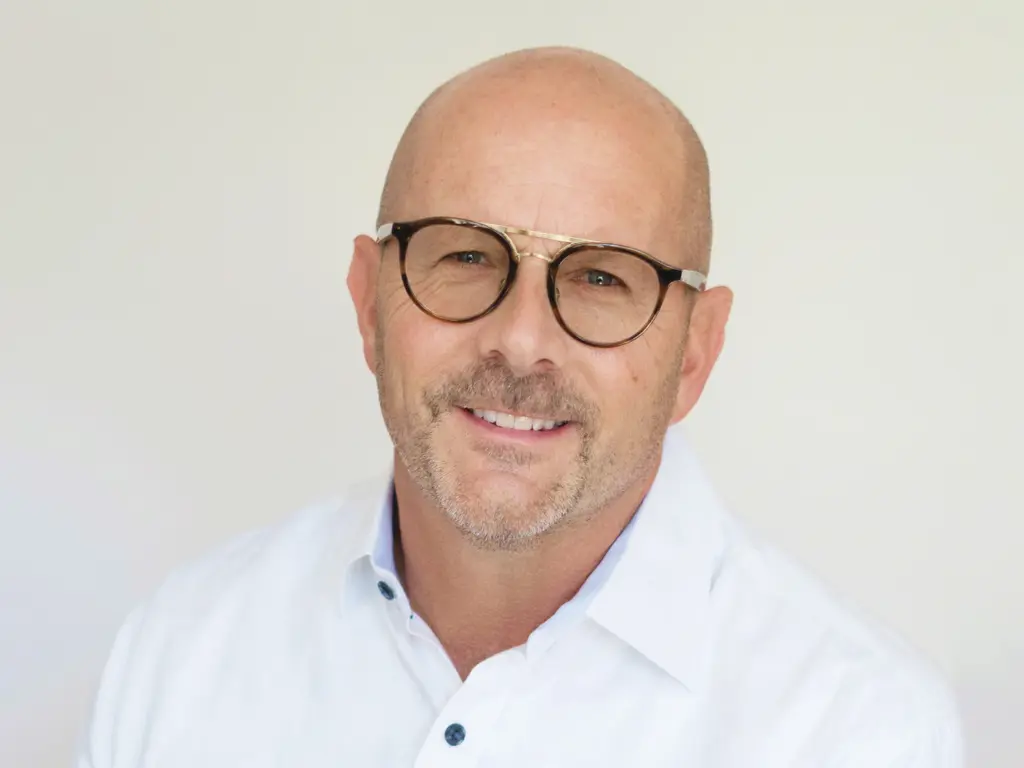
Stand Together: Despite the personal nature of health care, many Americans describe the system as impersonal and frustrating. What do you see as the root cause of that disconnect?
Steve Tremitiere: People often say “the health care system is broken,” but I argue it’s operating exactly how it was designed. The system prioritizes institutional efficiency, reimbursement, and compliance over individualized care.
This challenge persists despite years of reform efforts, largely because of incentive structures. Many promising health innovations fail to gain traction, not because they don’t work, but because the system doesn’t reward it.
For example, I worked on an intervention program with a health care system for people with diabetes who were also food insecure. For an annual investment of $2,000, patients were given healthy food and the services needed to more effectively manage their condition. The result was an annual savings of $25,000 per participant because they prevented the need for expensive procedures, such as limb amputation.
Despite documented evidence of effectiveness, the program hasn’t been fully implemented a decade later. Not because it didn’t work for people, but because the system isn’t set up to reward personalized, preventative care that improves health outcomes.
Many promising health innovations fail to gain traction, not because they don’t work, but because the system doesn’t reward it.
Steve Tremitiere
Global health innovation catalyst
How do we shift the focus from systems to people so that health care works better for everyone?
Amina Resheidat: Incremental tweaks to the current model are not enough to effect transformative change for individuals. That’s why STVL invests in solutions that challenge the underlying structure of health care. We’re working toward a consumer-driven health care marketplace by focusing on three areas of innovation:
- Alternative financing models that reduce the cost of care, keep financial control in the consumer’s hands, and allow people to shop directly in a functioning health care market, such as the new company Wellward Health. They’re not part of STVL’s portfolio, but are a great example of a model that offers coverage for big, unexpected medical expenses at a significantly lower monthly premium than traditional insurance. And they research and find affordable cash-pay providers for routine care on behalf of patients.
- Direct-pay health solutions that remove unnecessary intermediaries and make it easier for people to find, choose, and pay for the care they want. This model empowers patients with more control over their health care choices, rather than being boxed in by insurance companies’ requirements.
- Technology that empowers consumers by allowing them to instantly connect with remote providers, purchase at-home labs, and access vital health information through wearables such as smartwatches and glucose monitors. These advances help bridge the gap between self-guided and provider-directed care, giving people agency in everyday health decisions.

We want to help people think differently about health care and their role in it. By allowing consumers to control their spending decisions directly, providers become accountable to the people receiving care, incentivizing them to offer solutions that benefit patients — not bureaucratic systems.
By allowing consumers to control their spending decisions directly, providers become accountable to the people receiving care, incentivizing them to offer solutions that benefit patients — not bureaucratic systems.
Amina Resheidat
Associate director of health care at Stand Together Ventures Lab
What does STVL look for in entrepreneurs, and how does its approach differ from that of traditional investors?
Resheidat: We’re looking for bottom-up solutions — founders who are solving a challenge close to them. Top-down policy interventions that tinker at the edges of the current system are not enough to empower individuals to take charge of their health.
Many impact investors have a social mandate to do good as you do well so companies will donate a portion of sales to a cause, for example. While that’s great, their core value proposition is not the donation — it’s a byproduct of making a profit. We believe you can do well by doing good, so we support companies interested in long-term market transformation that empower individuals to make informed decisions and purchase services that improve their lives.
We have an atypical funding structure for an investment firm, which allows us to deploy patient, flexible capital. We can empower founders by matching their capital stack to their specific company’s needs, even if that isn’t venture capital. Think loans, lines of credit, and investment in securitized assets.
Critics might question whether the average American is actually interested in consumer-driven health care models. How do we know there’s a market for these solutions?
Tremitiere: Research shows consumers increasingly want convenience, control, and unified digital platforms. Millions of Americans already use devices to track health data and share it with providers, a trend that supports more continuous, consumer-controlled care. People are willing to pay out of pocket for continuous monitoring or personalization.
Where and how care happens is also shifting, which points to a demand for convenience and control. At-home care, virtual visits, and retail and urgent care are replacing some traditional visits, while features such as online self-scheduling have become not just desired, but expected.
Another strong signal is that more investors are backing consumer health models. Consumer health tech investment rose 9% year over year in 2024, outpacing the broader digital health market.
Stories that inspire, in your inbox.
Resheidat: Public sentiment about the current system is also an indicator. An increasing number of people are fed up with rising premiums and declining quality of care. In a nationally representative survey, there were more detractors (39.4%) than passives (29.8%) or promoters (30.9%) in terms of recommending their insurance providers for covered services.
Current adoption trends for consumer health models are also compelling. The number of direct care practices — where patients bypass traditional insurance billing and pay a fee directly to their provider — are on the rise. Additionally, approximately 1.5 million people are enrolled in health care-sharing arrangements, where members pay in and share the costs of health care.
These numbers are strong market signals for alternative models that empower people to make their own health care choices.
What are a few promising solutions that STVL is paying attention to, and how could they help reshape the future of health care?
Resheidat: One example from our portfolio is Thryve Labs, an AI-powered company that’s addressing a large but historically overlooked market: caregivers. There are more than 50 million family caregivers in this country, and they’re the backbone of elder care, but they’re often left with few resources. Through AI monitoring, Thryve offers caregivers peace of mind and increased confidence in caring for their loved ones with dignity and privacy.
While they’re not in our portfolio, indipop — a marketplace for medical cost-sharing plans — is another promising model. They’re focused on realigning incentives so that preventative health can be prioritized and consumers can find the right care for themselves.
Looking ahead, as more consumers recognize the benefits of direct control over their health care decisions, demand for alternative models should increase. That demand can attract more entrepreneurs and investors, creating a virtuous cycle that gradually shifts the broader market toward a system in which health care works for everyone.
Amina Resheidat is a health care investor with Stand Together Ventures Lab. She spent nearly a decade leading strategic operations of professional medical associations and designing, funding, and evaluating educational interventions for care teams and consumers to close gaps in clinical and public health outcomes. Resheidat holds a Bachelor of Science from Florida State University and a Master of Science in Data Analytics and Policy from Johns Hopkins University.
Steve Tremitiere leads transformational health innovations by connecting visionary people with strategic resources. His approach combines deep industry expertise with an extensive global network to create ecosystems that drive meaningful change.
The Stand Together community partners with changemakers who are tackling the root causes of America’s biggest problems.
Learn more about Stand Together’s health care efforts and explore ways you can partner with us.

Affordable health care is more achievable than we think

How health care works better when patients are in control

Caregivers are overworked. This tech could offer hope.