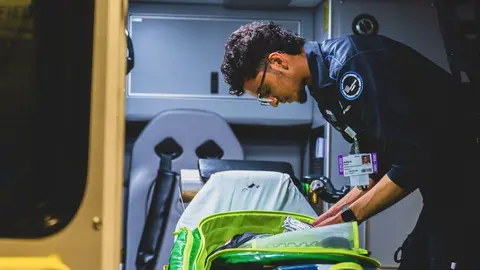




College is a great path for some, but it’s not the only way to build a meaningful, successful career. Alternatives to college are proving that there are many ways to build fulfilling careers without traditional degrees.
Education that honors unique strengths and aspirations can open up the kind of learning that leads to a life of meaning. Every person has their own strengths, interests, and goals that require different pathways to success. By recognizing and embracing this diversity, people can unlock their true potential and achieve meaningful success.
Alternative college credentials benefit both employers and employees by quickly equipping workers with the skills they need for job readiness. These credentials offer a flexible, affordable way to build expertise, benefitting a wide range of job seekers — from career changers to those historically excluded from traditional career pathways.
Here are six college alternatives reshaping the future of work:
1. Trade schools offer rewarding careers
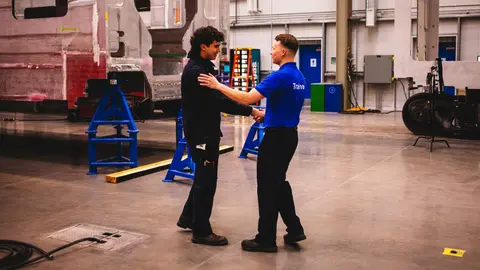
Trade schools provide practical skills training for high-paying, high-demand jobs, emphasizing hands-on learning tailored specifically to job market needs. These jobs often offer excellent wages, job security, and the chance to own a business someday.
Because education doesn’t have to fill a one-size-fits-all mold, trade schools are a great option for people whose skills and interests align with technical and practical work rather than academic study.
2. Apprenticeships connect people to meaningful work
Apprenticeships blend on-the-job training with classroom learning, allowing people to grow their talents through personal knowledge and bottom-up skill development instead of through top-down instruction.
Reach University provides a practical alternative to traditional college through its “apprenticeship degree” program. This fully accredited online university lets paraprofessionals turn their real classroom experience into college credit while earning degrees on the job. This model is especially beneficial for working adults, enabling them to advance professionally while continuing to serve their communities.
3. Entrepreneurship is open to everyone
Entrepreneurship isn’t limited to those with a college degree. Starting your own business or joining startups can be a powerful path to career success. It’s about discovering what you care about, building something of value, and finding meaning in the process. And when people pursue this path, they often end up helping others in big ways.
WeThrive is a nonprofit organization that empowers youth ages 12–24 from underserved communities to launch real businesses by providing mentorship, seed funding, and entrepreneurial training. By offering accessible pathways to entrepreneurship, WeThrive helps young people build confidence, financial literacy, and leadership skills. To date, over 12,000 participants have generated more than $800,000 in revenue, demonstrating the program’s tangible impact on economic opportunity.
Stay up to date
4. Microcredentials and certifications unlock opportunity
Microcredentials are short, focused learning programs that validate specific skills or competencies, often tied directly to real-world jobs. Alongside professional certifications, they’re helping learners of all backgrounds chart alternative paths to career success.
Instead of forcing everyone through the same degree programs, these certifications allow people to build custom skill sets based on their goals, interests, and the real demands of the job market.
Per Scholas is a national nonprofit organization that provides tuition-free, hands-on technology training to individuals from underserved communities, aiming to prepare them for successful careers in the tech industry. By offering accelerated, employer-aligned programs, Per Scholas is a practical alternative to traditional education.
5. Upskilling opens new doors for working learners
Upskilling is focused learning that helps people sharpen or expand their abilities. It’s especially valuable for working learners — people juggling jobs, caregiving, and other responsibilities — who need education that fits into their lives.
But it’s also a powerful tool for a wide range of individuals:
- People transitioning to new careers or industries
- Underemployed workers whose current roles don’t reflect their potential
- Front-line or hourly workers seeking pathways to advancement
- Nontraditional students who need flexible or stackable learning opportunities
- Principled entrepreneurs aiming to build new capabilities to better serve others
- Returning citizens who want to reintegrate and contribute meaningfully
- Homeschooling parents or informal educators modeling lifelong learning
Unmudl is a skills-to-jobs marketplace that provides a practical alternative to traditional college education. Looking ahead, Unmudl plans to expand its offerings and partnerships to provide more working learners with accessible, flexible education pathways that align with evolving industry demands.
6. Real-world experience and mentorship build pathways to success
A strong mentor opens doors, offers real-world wisdom, and helps someone explore career paths in ways that feel personal and relevant. For many, mentorship offers more than a connection; it offers a launchpad.
When mentors and mentees grow together through shared experience, it reflects the belief that progress happens when people closest to the work have the freedom and support to shape their own future.
Education that fits you, not the other way around
Choosing alternatives to college doesn’t mean closing the door on success; it means opening more doors that better match each individual’s educational journey. From trade schools and mentorships to entrepreneurship, upskilling, and microcredentials, today’s options give people the tools to learn in ways that fit who they are and what they want.
These personalized pathways don’t just help individuals grow — they strengthen communities and expand opportunity for all.
That’s the power of human progress: people creating their own paths, supported by flexible systems that value what they bring to the table.
So no matter which direction you choose, remember this: Education should unlock your potential — not limit it. Success isn’t about following one path; it’s about finding your path.
More about alternatives to college
- Make It Movement aims to connect high school students with high-skill, high-income careers that don’t require a traditional four-year college degree.
- Breaking free from traditional degree requirements is important for unlocking new work opportunities and empowering the future workforce.
- Looking for a job that doesn’t require a degree? These six in-demand jobs are flexible alternatives.
Learn more about Stand Together’s efforts to transform the future of work and explore ways you can partner with us.
The key to closing talent gaps is closer than many employers think

How to make work more human

Why skilled workers keep getting filtered out of jobs they qualify for