




Across the country, homeownership is slipping further out of reach. The United States faces a record-high shortage of an estimated 4–8 million housing units. When fewer homes are built, competition increases, driving up both rents and home prices.
At the same time, housing construction has lagged behind demand, and many communities are wrestling with a difficult question: How do you build more housing without fundamentally changing the character of neighborhoods?
We recently explored how burdensome housing, land-use, and zoning regulations can inhibit new home construction. Now, more states are experimenting with reforms designed to make it easier and faster to build. For many families, access to stable and affordable housing shapes far more than where they live. It influences economic mobility, access to opportunity, and the ability to build a secure future.
We spoke with Ilana Blumsack, senior housing policy analyst at Americans for Prosperity, about the state-level policies reshaping the housing affordability debate and the early signs of what’s working.

Stand Together: When people hear “housing reform,” it can feel abstract. What are the most common policy changes states are implementing right now?
Ilana Blumsack: More legislators understand that unnecessary housing regulations — such as minimum lot sizes, parking mandates, and bans on multifamily units — do not meaningfully protect health or safety but do significantly increase housing costs and limit supply. In response, reform efforts focus on eliminating regulations that contribute to high housing costs.
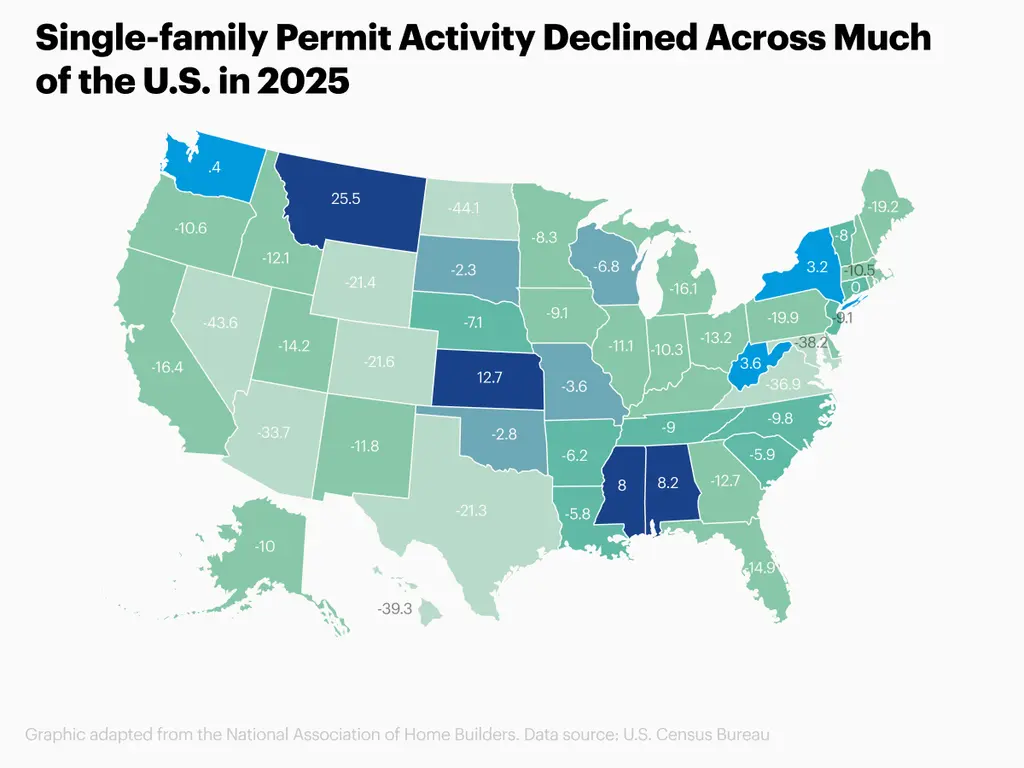
In Montana, for example, we were part of a coalition that helped pass the “Montana Miracle” — a sweeping, bipartisan reform package. Aimed at addressing the state’s housing shortage and skyrocketing prices, the package eased strict zoning laws, allowed for faster, centralized planning, legalized duplexes on single-family lots, and allowed accessory dwelling units — such as building a small cottage in your yard. It also simplified permitting, accelerating the approval process.
Montana has since become a model for reform and sparked interest across the country.
While it will take time to understand the full impact of these bills, we’re already seeing progress.
Rent prices in Bozeman, the state’s fourth-largest city, are falling, and there’s been an increase in single-family home permits.
What do meaningful housing reform packages look like in other states?
While AFP is advancing housing reforms in a number of states, Texas and New Hampshire stand out as leading examples of what’s possible when policymakers remove barriers to building.
In Texas, AFP was part of a coalition that helped pass a series of reforms to increase housing supply. The legislation allowed residential development in commercial areas, accelerated permitting timelines, and reduced minimum lot-size requirements, enabling builders to construct smaller single-family homes.
Stories that inspire, in your inbox.
New Hampshire enacted similar reforms, also limiting parking requirements to one space per unit, freeing up land for more housing.
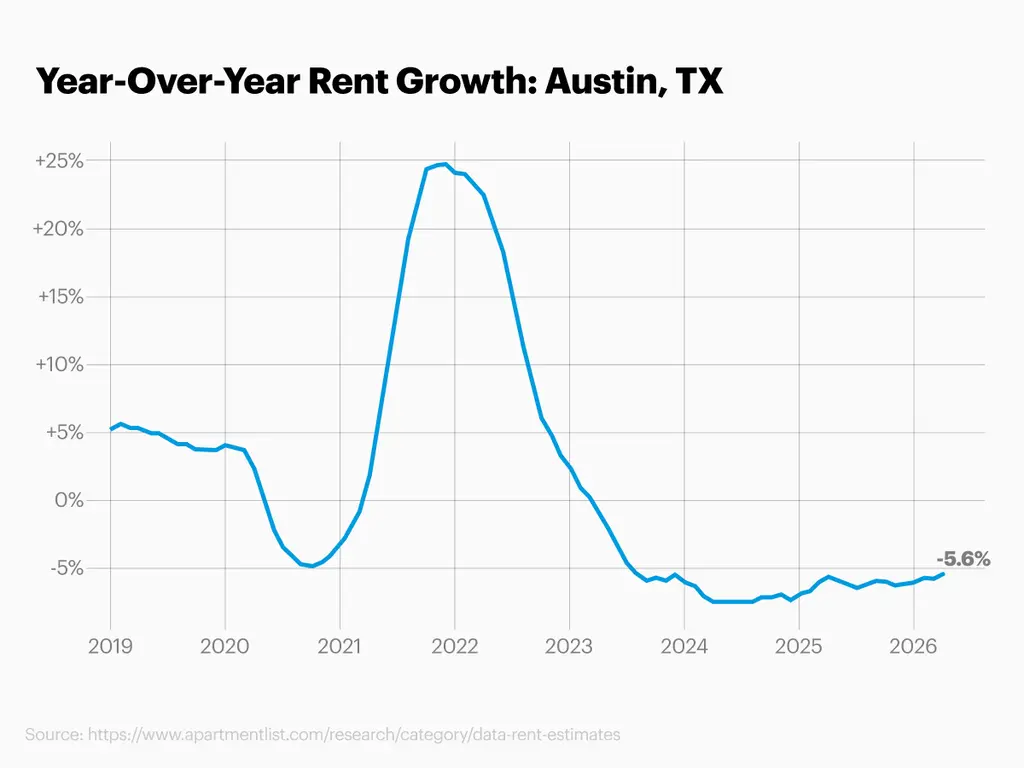
And we’re seeing results in both states. Rent prices across Texas have declined faster than the national average, with Austin leading the trend. Houston — which has pursued housing reforms since the 1990s — has become one of the country’s most affordable large cities, in part because it allows homes to be built on lots as small as 1,400 square feet.
Meanwhile, New Hampshire is experiencing its highest level of building permit approvals in two decades. While many of those homes have yet to be constructed, the surge signals a strong housing pipeline.
Deregulation often raises concerns about the impact of development on neighborhood character and the environment. How are states designing these policies to balance those concerns while still increasing housing supply?
These concerns are real, though supporters argue they’re often overstated.
More housing doesn’t mean that a quiet neighborhood will turn into a crowded city center. Builders respond to market signals. If the demand isn’t there, it’s unlikely that the maximum permissible density will happen. Many policies also include constraints, such as focusing reforms in high-density urban or commercial areas, to address concerns like this.
At the same time, most reform packages strike a balance between maintaining effective regulations and eliminating unnecessary obstacles to building. Policymakers are clearing the way for housing construction while maintaining health, safety, and environmental regulations.
Looking ahead, which states are you watching most closely, and what makes them promising — or challenging — cases?
Florida and Utah are both advancing housing reform efforts in different ways. Florida, in particular, has emerged as a leader in reducing permitting burdens and speeding up approvals, though zoning and land-use reforms have yet to fully take shape. Still, there is growing momentum. After speaking at the Florida Housing Summit, I came away with a strong sense of optimism that more comprehensive reforms could be on the horizon.
Utah is another state we’re watching closely. Despite its rapid growth, housing supply has struggled to keep pace with demand. In 2025, Utah was the seventh most-expensive housing market in the country — a sign of just how urgently new housing is needed. Meaningful reform is the likeliest path to achieving that.
For policymakers or communities still undecided about housing reform, what is the most important takeaway from states that have already enacted these policies?
States like Texas, Montana, and New Hampshire offer real-time evidence that housing reforms work. They can drive down prices and spur new construction — opening the door to affordable housing for more Americans.
It’s important to note that despite political polarization, housing stands out as an area where coalitions span ideological lines. There is a shared understanding that housing affordability affects everyone — individuals, families, communities, and the economy. When individuals can achieve the foundational stability of housing, they can focus on finding meaningful work, contributing to their communities, and creating a fulfilling life.
Ilana Blumsack is senior housing policy analyst at Americans for Prosperity, where she focuses on a broad range of economic progress issues, including housing and welfare policy. Prior to joining AFP, Ilana was a research associate at the Cato Institute, where she supported Chris Edwards and Scott Lincicome in work on fiscal and labor policy. She also previously interned at the Heritage Foundation and the Committee for a Responsible Federal Budget.
Learn more about Stand Together's efforts to make the economy work for all and explore ways you can partner with us.

Could this give America an edge on AI and energy?

What’s holding back American innovation — and how to unlock it

The future of music in the age of AI