



The political divide in America feels like it’s tearing us apart. But what if we’re not as divided as we think?
From TV headlines to social media feeds, the loudest voices often drown out the beliefs of their fellow Americans. And that constant noise? It’s leaving many of us disillusioned, overwhelmed, or tuning out altogether.
But there’s good news: The divide we see isn’t the whole story.
The “Bridging Divides Playbook” reveals the practical ways that communities across the country are challenging this illusion of division — and finding common ground in the process.
Download the Free Playbook: Playbook for Bridging Divides
The Playbook for Bridging Divides shares real-world tools for breaking through toxic polarization, building common ground, and overcoming barriers that hold people back.
1. See past the illusion: We’re not that divided
One of the most significant barriers to unity is a “collective illusion” — a false belief that most people are more extreme or more divided than they are. This concept, proposed by researcher Todd Rose, explains why many Americans feel isolated, even when they share core values such as dignity, opportunity, and freedom.
According to data cited in the “Bridging Divides Playbook,” Americans across the political spectrum share surprising levels of agreement on major issues. What divides them most isn’t their values — it’s the assumptions they have about each other.
By seeing people as individuals, not stereotypes, you can challenge this illusion. That begins with openness: People need to be willing to listen, understand, and respect different perspectives.
2. Disagree without being disagreeable
People don’t have to agree on everything to make progress together. Respectful disagreement can strengthen communities if it’s rooted in empathy instead of animosity.
The playbook highlights a five-step approach from Irshad Manji, author and founder of Moral Courage College. It shows how to turn political conversations into constructive discussions:
- Start with curiosity, not judgment.
- Ask honest, open-ended questions.
- Make space for personal stories.
- Respect the other person’s dignity.
- Stay true to your values without vilifying theirs.
Sometimes, it’s not easy. But it does work.
3. Start local, build together
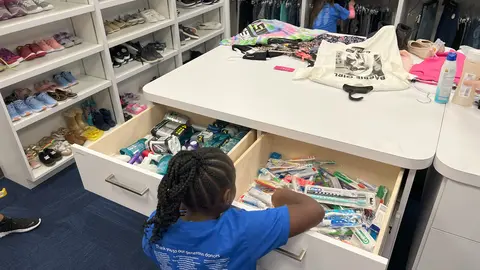
Most lasting change begins close to home — around kitchen tables, in classrooms, and within neighborhoods where people already know and trust one another. Local efforts are proving that solutions don’t have to start big to make a big difference. When people focus on shared goals and combine their talents to solve real problems, they build trust that grows stronger with every collaboration.
The “Bridging Divides Playbook” includes examples like:
- How the One America Movement is bringing together people of different faiths to tackle addiction
- How Narrative 4 uses storytelling to build empathy among youth
- How Urban Specialists unites former gang members, community leaders, and residents to replace violence with collaboration
We can bridge the divide together
The political divide in America can feel overwhelming. But beneath the noise, most people share the same hopes: to be respected, to make a difference, and to live in a country that works for everyone.
Change starts when we look past what separates us and focus on what we can build together. Choosing to listen, to speak with respect, and to start with what’s right in front of us in our own communities can help create the space for understanding and trust to grow.
These ideas reflect principles of human progress such as dignity, mutual benefit, and the power of people to solve problems where they live. Across the country, these principles are helping everyday Americans turn frustration into connection and disillusionment into action.
Ready to dive deeper and explore more about the political divide in America?
The “Bridging Divides Playbook” goes beyond the headlines to share hopeful, human-centered solutions.
When you download the free playbook, you’ll get:
- Stories of real people bridging divides in their communities
- Actionable tools for having better conversations
- Frameworks for building trust across differences
- Insights on what’s driving the division, and what to do about it
Want the complete playbook? Download it to discover more stories, strategies, and tools that work.
Learn more about Stand Together’s efforts to build strong and safe communities and explore ways you can partner with us.
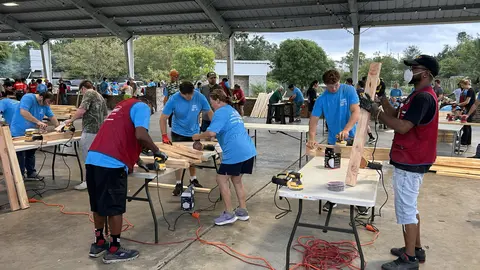
In Conversation: How Army of Normal Folks helped turn a national bed build into local contribution
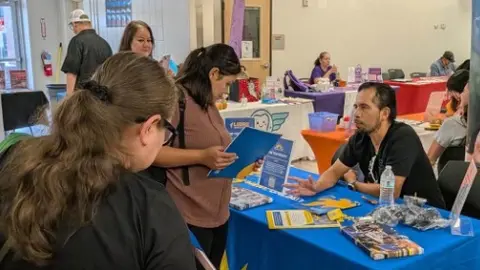
Our Take: What a customer-first mindset can teach nonprofits
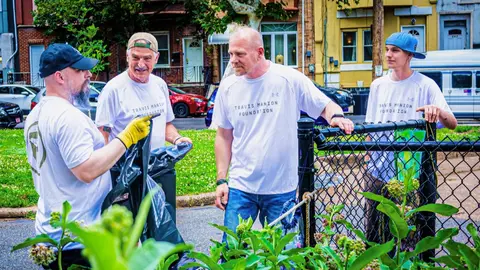
At this nonprofit for veterans, feedback is key to decision-making.