



Human trafficking can take many forms — such as the promise of a well-paying job that turns into imprisonment and unpaid labor, a loving relationship that morphs into sex work, or an aspiring actor tricked into sex acts by the promise of success.
Whatever the scenario, 83% of survivors have experienced poverty, 40% have some kind of criminal history because of their trafficking experience, and over 60% experienced financial abuse by their trafficker.
Those who are able to make it out are often left with little to no credit history or savings and limited access to education or meaningful work.
While immediate aftercare, such as emergency housing, legal aid, and therapy, is a critical lifeline for survivors, once those services expire, they struggle with many obstacles to rebuilding their lives.
The result? More than 80% of survivors are likely to be re-exploited without specialized, ongoing support, according to the Counter Trafficking Data Collaborative. Empowered Network exists to bridge that gap. By helping survivors for a year or more, EN helps them co-create plans for stability and growth by addressing barriers to housing, exploring career paths, and overcoming financial obstacles. It’s an approach rooted in dignity, accountability, and choice.
By focusing on survivor-designed blueprints for stability, EN reduces the risk of re-exploitation from 80% to under 1%. This shows what’s possible when empowerment is the goal.
The Empowered Network’s approach
According to the book “Eradicating Human Trafficking,” communities spend a projected $5.3 million on every survivor who gets stuck in the system.
When survivors achieve financial independence and stable housing, they are less vulnerable to being re-exploited and in a better position to protect and empower their children, thereby breaking the cycle of exploitation. And valuable capacity and resources can be freed up within communities and the philanthropic system as a whole.
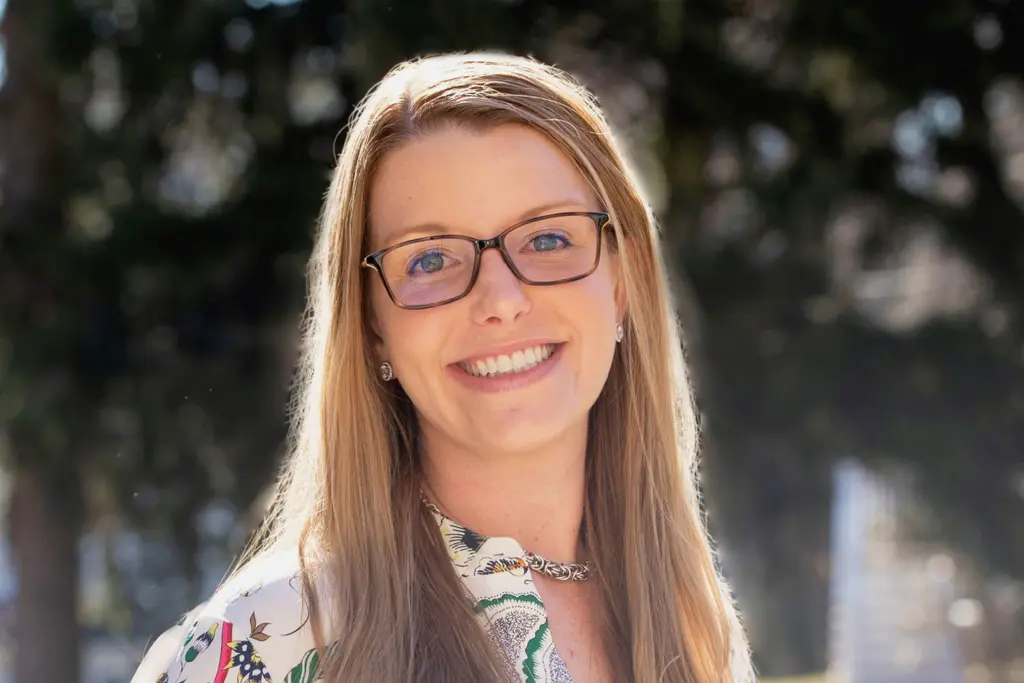
“Abandoning people before they reach independence is the most expensive way not to solve a problem,” explained Abby Fabiaschi, EN’s cofounder and director of partnerships. “If we can help survivors get to a place of total agency, they can bust out of the victim, system, and service cycle and become contributing members of their communities."
That’s why EN collaborates with approximately 50 state and local organizations across the country, ranging from legal service centers to domestic violence shelters, to receive referrals, deliver services, and provide one-on-one support to survivors of human trafficking for one year. The average survivor is 33 years old with one or two children, and has experienced a range of sex and labor trafficking.
Overcoming common barriers for survivors
At the core of EN’s model is the Empowerment Plan, a personalized roadmap codesigned with each survivor to help them secure stable housing and achieve fiscal independence. Survivors set the vision for their lives. They choose where to live, what skills to build, and which careers to pursue. Meanwhile, EN works behind the scenes to clear structural barriers that usually fall into three categories:
- Housing: Survivors may be working minimum-wage jobs and can afford regular rent payments, but steep deposits and move-in costs are often out of reach. EN steps in with funding for security deposits and household essentials.
- Education: Finding the money to attend a traditional college or enroll in a vocational program is one thing. But the ancillary costs can keep survivors from advancing in learning. EN supports survivors by helping with expenses such as child care and transportation.
- Finding a profession: Survivors are encouraged to pursue fulfilling and long-term careers, not just jobs. EN helps with upskilling, resume building, and connections to employers. And it works. Collectively, the network has contributed to $5.5 million in new wage creation since 2017.
“We work with survivors to understand their skill sets and identify where they could upskill,” said Kristy Norbert, EN cofounder and executive director. “We get to witness human beings transcend something they thought they’d never escape — and build lives of independence and choice.”
For many survivors, working with EN affords them the opportunity to attend school and work full time while the organization covers the gap between financial aid and tuition, transportation, and even nurses’ scrubs. For one survivor, finishing her nursing degree catapulted her from making $20,000 a year to $58,000 with benefits.
Stay up to date
Rethinking the nonprofit model
On paper, Norbert and Fabiaschi are an unlikely pair: Norbert is a social worker with years of front-line experience, while Fabiaschi is a tech and business executive turned bestselling author. Together, their complementary strengths have become EN’s superpower.
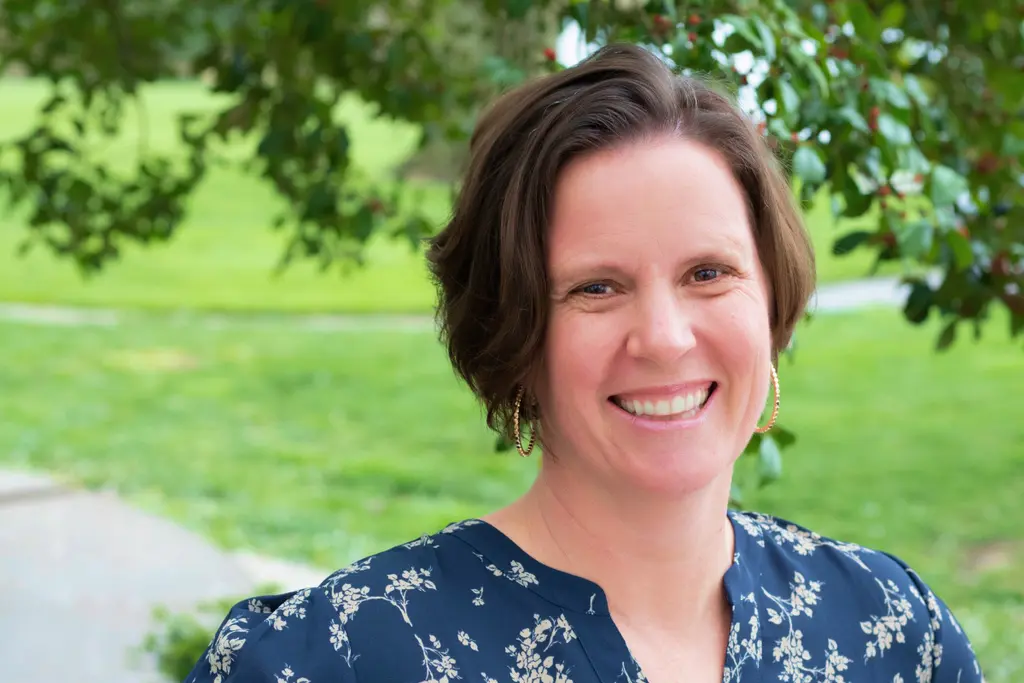
Norbert’s journey began in community work and leadership roles with marginalized populations. When she learned more about human trafficking, she said, “I couldn’t undo what I saw. I couldn’t unfeel it. I knew we had to create a space where survivors had real opportunities and choices.”
Fabiaschi came from a very different lane. After a career in high tech and entrepreneurship, she wanted to use her talents for social good.
“I saw how nonprofits often lacked repeatable processes and scalable programs,” she explained. “When we got the chance to start from scratch, it felt like an incredible opportunity to do things differently — to be tech-forward, transparent, and focused on lasting change.”
Improving services using data and survivor feedback
For Norbert and Fabiaschi, continuous improvement is a must-have to serve members as impactfully and intentionally as possible. To do this, EN takes both a data- and survivor-informed approach to program design.
By placing lived-experience experts on its staff and the board, EN sets a standard the nonprofit sector can sometimes miss: Those most affected by exploitation should shape the solutions, language, programming, and decision-making. The Empowerment Plan is perhaps the most visible example, but this belief is embedded in all aspects of the organization. For example, when the team received feedback from survivors that the term “client” felt impersonal, they switched to “members” to signal a feeling of belonging.
To track the more qualitative goals of the program, such as rebuilding confidence, igniting hope, and establishing focus, survivors are asked a series of questions at the beginning, middle, and end of the program. On average, program participants experience a 74% positive increase in their outlook, highlighting the program’s impact on survivors’ mental, physical, and emotional health.
“We’re really focused on data,” Fabiaschi said. “Not just as something that we use to market and talk to donors, but as a tool for constant improvement.”
For example, EN once ran programs for 12 to 18 months. But when data showed that outcomes were no better beyond a year — and momentum sometimes slipped — the organizers redesigned the program around a one-year window, increasing capacity by 25% without raising costs.
Fostering a network of long-term support
While the structured Empowerment Plan lasts about a year, support doesn’t end there. Graduates can join EN’s alum network, where they can access group workshops on financial resilience, career development, and more.
Just as importantly, they know they’re not alone.
“Often what survivors report as most valuable isn’t the money,” Norbert shared. “It’s that someone was in their corner. Someone believed in them.”
By normalizing closure — talking about it from the very first meeting — EN helps survivors internalize that they are their own change agents.
“If we’ve done our job right, by the last month, they barely need us,” Norbert said. “They’ve learned they can continue setting and achieving goals on their own.”
Sometimes, survivors realize they were never alone, as told in a story from EN’s 2024 Impact Report. On Day 1 of a meeting, a survivor was asked,
“Who do you trust?” and she responded, “No one.”
Three months later, she was living independently for the first time while balancing school and full-time employment, and she was asked again:
“Who do you trust?”
She responded, “Myself. I am strong and smart and knew I could do this.”
Empowered Network is supported by Stand Together Foundation, which empowers individuals to reach their full potential through community-driven change.
Learn more about Stand Together's efforts to build strong and safe communities and explore ways you can partner with us.
Our Take: What a customer-first mindset can teach nonprofits
At this nonprofit for veterans, feedback is key to decision-making.
In Conversation: Positive Tomorrows on strengthening families through opportunity