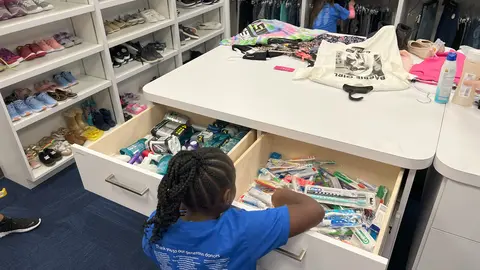




In one of Kansas City, Missouri’s often-overlooked neighborhoods, the residents of a converted convent are cultivating a grassroots housing movement.
Jerusalem Farm, a nonprofit based in a repurposed convent in northeast Kansas City, operates as an “intentional community” — a group of people who choose to live together and share resources, responsibilities, and decision-making in pursuit of common values and goals. Members share meals, chores, and a devotion to the Catholic faith; They also work alongside residents in six surrounding neighborhoods to revitalize local housing, promote sustainable living, and strengthen community ties.
Rather than imposing outside solutions, the nonprofit partners with neighbors to co-create affordable housing for low-income residents, address neglected properties, and support one another by pooling skills and resources.
Jerusalem Farm aims to “amplify what residents envision their neighborhood to be,” said project director Jordan Schiele, who cofounded the nonprofit with his wife, Jessie.
Working side by side with local volunteers — some sharing construction expertise, others willing to learn — it has three core dignified housing programs that help ensure low-income residents have safe, healthy, secure places to live. They are:
- Home repair: Providing crucial repairs, such as fixing roofs and addressing code violations, so current homeowners can retain their current living environment. Jerusalem Farm also maintains a tool lending library for residents who want to make home improvements.
- Rehabilitation: Restoring abandoned houses and making them available for purchase by families in need of stable, affordable housing.
- New construction: Building homes on what were once vacant, neglected lots that had fallen into disrepair.
Fostering stability through housing solutions
Jerusalem Farm’s empowerment-based approach inspires residents to work together to create a safe, connected community. Instead of waiting for the government or other organizations to step in, those who live in the area “can be our own solution within our own neighborhoods,” Jordan Schiele said. “Our goal is to have the community rebuild the community.”
In the last five years alone, Jerusalem Farm has hosted over 1,000 volunteers, completed over 300 home repair projects, and contributed more than $8.5 million worth of labor and materials to the area. The nonprofit has also facilitated the renovation and sale of three homes (with five more under construction), broke ground on its first newly built home in May, and plans to build an additional eight units in 2026.
Trina, a neighborhood mother, knows firsthand the benefits of stable housing. Both she and her 15-year-old son are autistic, and she was determined to create a more secure future for him. After moving more than 15 times, she finally found that stability when she moved into a renovated, affordable home through Jerusalem Farm.
The home allowed Trina and her son to finally put down roots. “It gave her a foundation to equip him to be his best self,” said Jordan Schiele.
“She was thrilled to find a place to raise her son, give him the stability she never had, and provide a future inheritance for him,” added executive director Jessie Schiele.
Sharing resources creates additional resources
Jordan and Jessie Schiele were living at Nazareth Farm, an intentional Catholic community in rural Doddridge County, West Virginia, when a visiting minister mentioned the growing need for similar work in more urban areas. The duo agreed. Then, fate stepped in. Two weeks later, that same minister called them and said, “Hey, there’s an old convent that could be a place to start another farm,” recalled Jessie Schiele.
They flew out to Kansas City, met others in the area, and “felt good about giving it a shot,” said Jordan Schiele.
The pair moved there in 2012. They then spent time meeting and listening to neighbors. At the same time, they began to create an intentional living community inside the former convent. Volunteers, who frequently stay for a year or longer, live together, participating in daily life, shared meals, and service work. They live a life rooted in faith, sustainability, simplicity, and community engagement, pledging to build meaningful relationships with the people they serve.
“We gather together for prayer, for work, for meals, and intentionally sharing life with one another, centered around a shared vision, core values, and goals,” Jordan Schiele said, noting that one guiding goal is to continually answer the question: “How can I best serve my neighbors and lift up the community?’”
Members live out a mutual-aid mindset that enables them to take on challenges larger than any one person could manage alone. Living and working together amplifies their efforts — and results. As a group, they can “take on bigger tasks that folks couldn’t do by themselves,” noted Jordan Schiele. “There’s a lot of strength.”
Stay up to date
Listening to neighborhood needs and creating solutions together
Soon after arriving in Kansas City, the Schieles began attending church in the area, joined neighborhood meetings, got involved with the community garden, and took other steps to get to know their neighbors.
Through those early connections, they discovered a pressing need among low-income residents for the home repair skills both had developed during their time in AmeriCorps. (The couple originally met while they were rebuilding homes affected by natural disasters.)
“As we met people and learned about different needs, we were able to begin sharing our gifts,” said Jordan Schiele.
Word spread, and soon neighbors began helping with everything from floor repair to roof upgrades. Home repairs are offered with dignity in mind — residents know the cost up front and choose how they wish to contribute, whether through flexible monthly payments or by lending their time and skills. Volunteering, donations, grants, and revenue from other sources help to keep the repair costs affordable.
The repairs strengthen the neighborhood and help to keep families together. In one case, a woman named Marta, who was providing after-school care for her grandson, nearly had to stop that care because his eczema flared when he was at her home. No matter how clean she kept her home, the flare-ups persisted — until Jerusalem Farms identified old carpeting as a potential trigger, as it can hold dust.
After the carpeting was removed and replaced with bamboo flooring, the child’s symptoms disappeared. For Marta, a small repair meant both a return to joyful caregiving and a healthier home for her and her grandson.
Listening to community needs also revealed two additional concerns: the high cost of rent and issues such as garbage dumping in neglected vacant lots. In response, Jerusalem Farms began acquiring abandoned houses and empty lots — often through tax sales, where properties with unpaid taxes are auctioned to new owners, or through the Abandoned House Act, which allows nonprofits to take over long-vacant, unsafe homes and restore them.
Creating a model that can be replicated
Jerusalem Farm’s approach — building with, not for, the community — is more than a local success story. It’s a model others can follow.
By truly listening to those who know their needs best and combining communal service with long-term neighborhood partnerships, the nonprofit offers a roadmap for others looking to build grassroots housing solutions rooted in dignity, trust, and cooperation.
“It’s definitely a model that can be replicated,” Jordan Schiele said. “It just takes a dedicated group of people who are willing to serve and organize.”
Jessie Schiele stresses that the approach works best when communities adapt it to their own strengths, needs, and ideas, as lasting change grows from the ground up.
“The key is to find a way to make change positive and serve everyone, so when the neighborhood rises, we all rise together,” she said, noting that it’s imperative to ensure everyone is invited to be “a part of the process” and “heard in the decisions.”
“I see Jerusalem Farm as a place where community leads to thriving,” she added. “If we can be a community for each other, it can lead to a neighborhood where everyone thrives.”
Jerusalem Farm is supported by Stand Together Foundation, which empowers individuals to reach their full potential through community-driven change.
Learn more about Stand Together’s efforts to build strong and safe communities and explore ways you can partner with us.
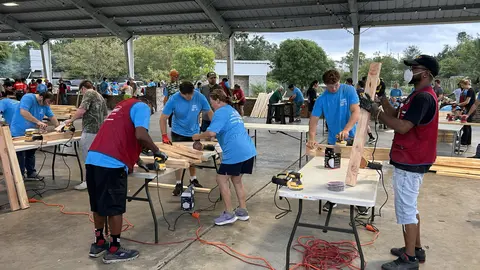
In Conversation: How Army of Normal Folks helped turn a national bed build into local contribution
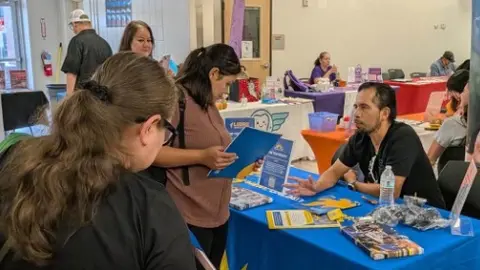
Our Take: What a customer-first mindset can teach nonprofits
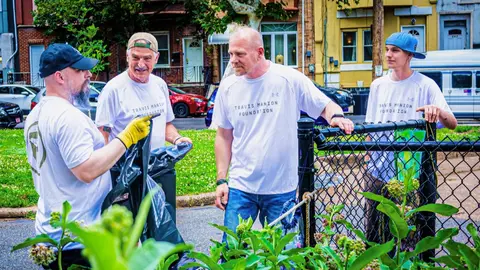
At this nonprofit for veterans, feedback is key to decision-making.