Customer First Measurement™
A new methodology for impact measurement
As social entrepreneurs, nonprofit leaders, and philanthropists, we generally agree that measurement across the social sector is more complicated, costly, and time-consuming than it should be. Too often, the wrong things are measured at the wrong time. What if there were a more effective, straightforward way? At Stand Together Foundation, we envision a better approach to measurement, one that can transform the way organizations nationwide address our country’s biggest problems.
The current measurement approach in the social sector prioritizes measuring success by monitoring activities instead of results. It positions the program as the primary unit of success rather than the individuals it aims to serve. As a result, organizations often invest more time tracking outputs, like program completions, at the expense of collecting data on customer impact. Without reliable alternatives, donors reinforce this incentive structure by asking nonprofits to devote limited resources to metrics that rarely see any other purpose besides fundraising.
What if there were a better way?
Stand Together Foundation’s alternative approach to measurement positions individuals as the primary unit of success and prioritizes their satisfaction with the service provided. With this approach, nonprofits commit to listening and learning from the experiences of the individuals they serve, leading to improved programming and simpler, more meaningful measures. Organizations build their measurement strategy through the lens of a Customer Roadmap, which ensures that decision-making is rooted in the perceptions and insights of the individuals they serve.
By applying this mindset and practice, we have seen nonprofits across all issue areas better understand their customers, allocate resources more effectively, strengthen programs to improve results, and instill a culture of continuous improvement.
Redefining success in the social sector
Despite America's vast $22 trillion investment over six decades to combat poverty, addiction, and homelessness, prevailing strategies have largely fallen short. Dr. Todd Rose, a former Harvard professor and advocate for the science of individuality, critiques the nonprofit ecosystem's obsession with output over impact, suggesting a pivot towards genuinely understanding the unique needs of individuals.
Transform your results
Customer First Measurement values individuals as the primary unit of success. For nonprofit leaders, mapping individual experiences to a customer roadmap can enable you to make more effective decisions. For donors, selecting organizations and issues to fund based on the difference they make in people’s lives can help reorient the social sector around customer-focused metrics that illustrate the needs of individuals.
Understand your customers
Segmenting customers by demographics allows organizations and donors to see who they are serving well, and where gaps exist. Segmentation also makes it possible to customize experiences across customer categories.
Improve resource allocation
Organizations and donors that understand customer experiences can allocate resources toward programs that have the most measurable impact. They can also modify or reconsider programs with limited impact.
Communicate results
When organizations track changes in customers’ experiences over time, donors and nonprofit leaders can build a more complete understanding of their impact. They have firsthand accounts including individual motivations, overall well-being, and life transformation.
Continuously improve
Customer First Measurement fosters a culture of continuous improvement within the social sector. By actively seeking and acting on feedback, nonprofits produce better results and build trust with their customers.

The Transformation Survey
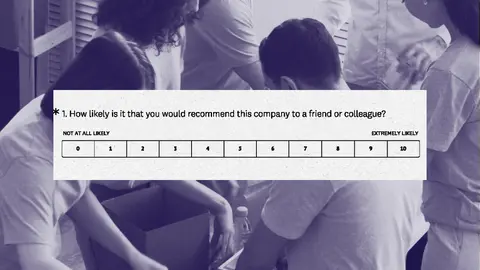
Stand Together Foundation’s proprietary Transformation Survey is designed to help nonprofits quickly and continuously listen to the people they serve. In just 15 questions, the survey covers customer satisfaction, perceived value, personal transformation, and personal empowerment.
How to implement Customer First Measurement
Customer First Measurement can be implemented by any nonprofit or donor. Our hope is that this results-driven methodology will grow into the nonprofit industry standard across the country so that time, talent, and resources are focused on making the biggest difference in people's lives.
Nonprofits
Download Stand Together Foundation’s implementation guide. This resource provides more information about collecting customer feedback, how to analyze and act on the data, and building out a long-term measurement capability that can maximize your impact in people's lives.
Featured partners
Stand Together Foundation partners are recognized as among the most innovative and effective nonprofits in America. Below is a snapshot of our current partnership network.

This was just another training. Then everything changed.

How should nonprofits measure success? It starts with the right metrics.

Why $22 trillion still hasn’t solved poverty in America